Shannon Riverside Recreation — Accessible Routes and Viewpoints
Discover Ireland's longest river through accessible riverside walks. Information on parking, facilities, and seasonal highlights to help you plan your visit.
Why the Shannon River Matters
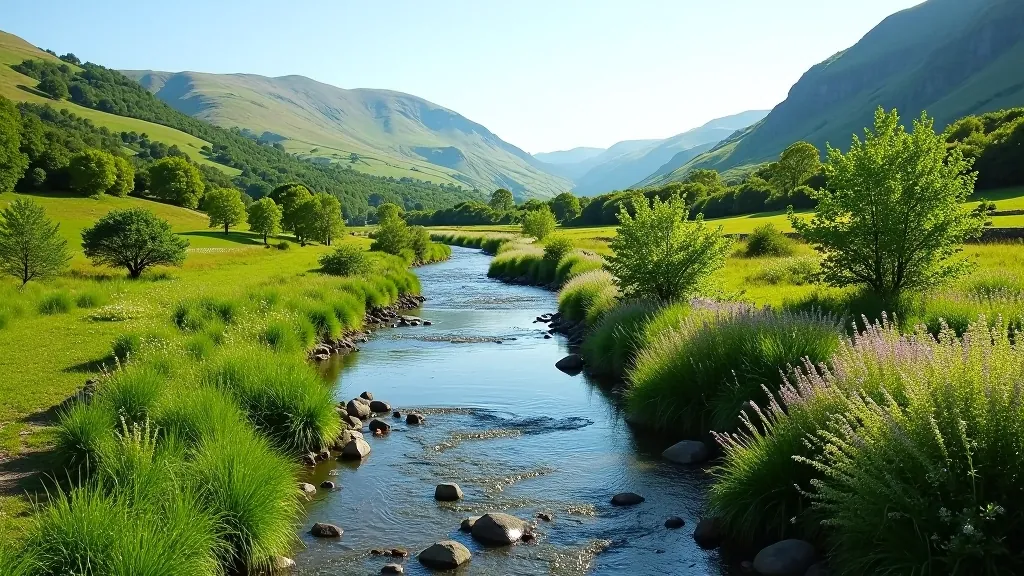
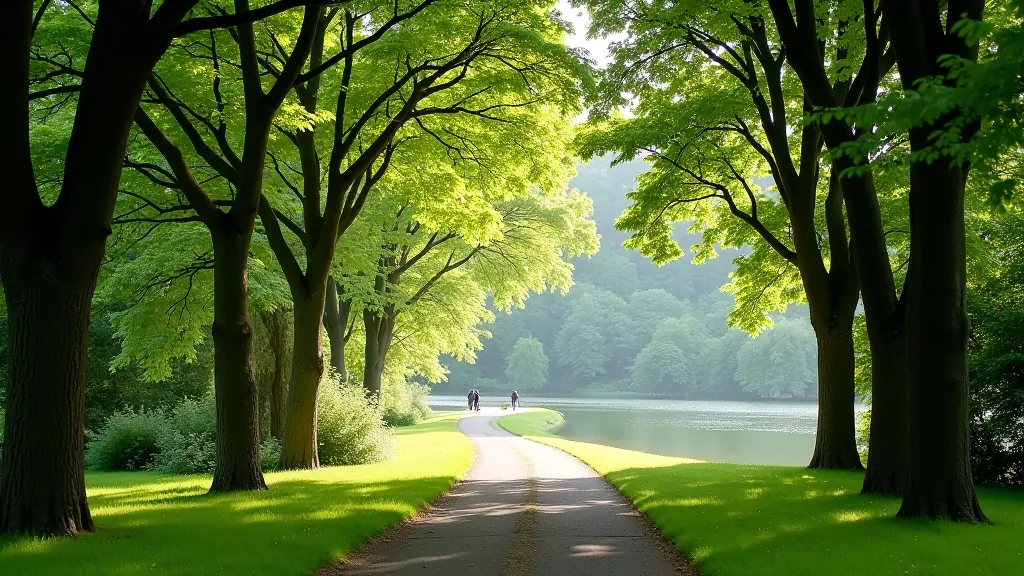
The River Shannon stretches 360 kilometers through the heart of Ireland, making it our longest river. What's special isn't just the length — it's the sense of calm you get walking beside it. The riverside paths are manageable, well-maintained, and offer real opportunities to slow down and notice things.
We've spent time mapping the accessible routes along the Shannon, testing parking areas, and noting which viewpoints work best for people who need to take breaks. You don't need to be a serious walker. These routes are designed for anyone looking to spend a few hours in nature without fuss.
Accessible Routes You Can Actually Walk
We've tested these routes ourselves. They're not perfect — no riverside walk in Ireland is completely flat — but they're manageable and worth the effort.
Limerick City Riverside Loop
Distance: 3.2 km | Time: 50 minutes
Starts near Limerick Cathedral and follows the riverside path toward Thomond Park. The surface is mostly tarmac with a few gravel sections. You'll pass the old mill buildings — there's a bench halfway that's perfect for stopping. Parking's easy at the Cathedral car park.
Athlone Riverside Walk
Distance: 2.8 km | Time: 45 minutes
Follows the river on both sides of the town. The path is flat, well-paved, and has several rest areas. There's a café about halfway if you need to sit properly. The viewing platform near the bridge is worth the small detour — you can see swans and sometimes herons.
Killaloe Scenic Route
Distance: 4 km | Time: 65 minutes
Slightly more challenging but worth it. The path has gentle inclines and descends toward the lake. You'll see the old stone bridge and the mountains beyond. There's limited parking at the starting point, so arrive early. Several pullouts for resting along the way.
What You'll Find on the Routes
Before you head out, it's helpful to know what's actually available. We've checked each route and documented the practical details that matter. Parking, toilets, benches — the things that make a difference on a real walk.
Most routes have at least 2-3 places to sit down. That matters. You don't have to push through if you're tired — you can rest and enjoy the view at the same time.
Toilets are available in the town centers but not always on the paths themselves. Plan accordingly. Mobile signal's usually decent, which is reassuring. The paths are mostly shaded — useful if it's a warm day — but bring sun protection anyway.
The Best Times to Visit
The Shannon's worth visiting any time of year, but some seasons give you different experiences. Here's what to expect.
Spring (March-May)
The paths are at their greenest. Wildflowers appear along the banks. The light's softer in the mornings, which is nice for photography if you're into that. Water levels can be high after winter rain — you'll notice the current.
Summer (June-August)
Busier with visitors, especially weekends. The paths are dry and easy to walk. Early mornings or late afternoons are better if you prefer quieter routes. Shade becomes important — bring a hat and water. Sunrise around 5 a.m., sunset near 10 p.m.
Autumn (September-November)
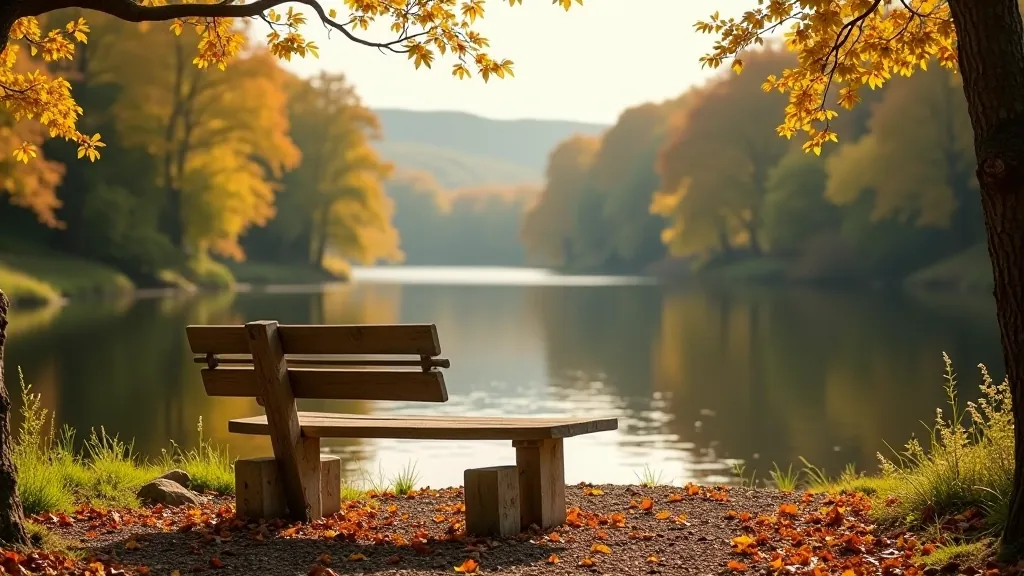
Our favorite season. Colors change the riverside. Temperature's ideal — cool enough that you won't overheat walking, warm enough you don't need heavy layers. Fewer visitors. Water's calmer than spring. Days shorten, so plan walks for midday.
Winter (December-February)
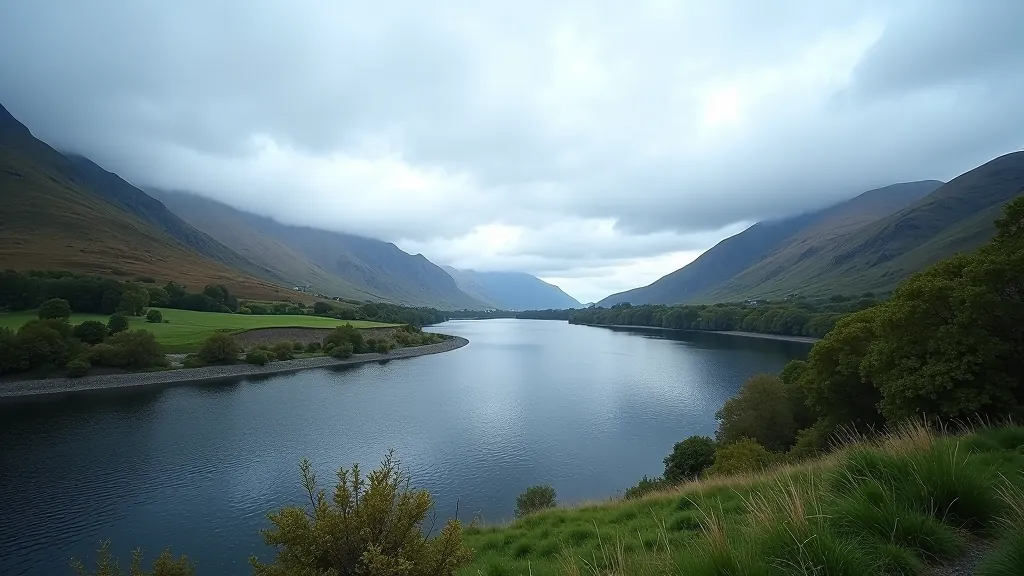
Quiet and peaceful. Some paths can be muddy or slippery — wear proper walking boots. Mornings are crisp. Daylight's limited — sunrise around 8 a.m., sunset around 4:30 p.m. The river's beautiful under gray skies, honestly. Just dress for it.
Viewpoints Worth the Stop
Some spots along the Shannon deserve extra time. These aren't difficult to reach — they're just places where the river shows itself differently. Where you notice things. Where it's worth sitting for 10 minutes.
Killaloe Bridge viewpoint gives you the widest perspective. You're high enough to see the full curve of the river and the mountains beyond. On clear days you can see quite far. Athlone platform is closer to the water — you're almost at river level, which changes how it feels. And there's a smaller spot near Limerick where the river narrows and the banks are steep. The water moves faster there. Different energy entirely.
Bring binoculars if you're interested in birds. You'll see cormorants, herons, and sometimes kingfishers. Early morning's best for wildlife — things are quieter and the light's better for watching.
Practical Things Before You Go
What to Wear
Layers work best. Even if it's warm when you start, riverside areas can be cool once you're walking. Wear proper walking shoes — the paths aren't always smooth. Bring a light waterproof jacket. Ireland's weather changes. You don't need anything fancy.
Water and Food
Bring water. Even a short walk is easier if you're hydrated. A light snack helps — a banana, some nuts, a sandwich. The towns have cafés but not all paths pass through them. Don't rely on finding food halfway.
Parking and Getting There
Most routes have dedicated car parks nearby. Arrive early on weekends — spaces fill up. Public transport reaches the main towns (Limerick, Athlone, Killaloe) if you prefer not to drive. Train stations are within walking distance of most routes.
Safety Notes
The paths are well-used and generally safe. Tell someone where you're going. Mobile signal's good but not guaranteed everywhere. Don't rush. If you're not comfortable with a section, turn back. The riverside will still be there next time.
Important Information
This guide is informational and based on our observations during site visits. Conditions change — weather, maintenance, seasonal closures. Before heading out, check local councils or tourism sites for current updates. If you have mobility concerns or health considerations, assess each route carefully or consult with your healthcare provider. Walking is generally safe and beneficial, but it's your responsibility to walk within your own comfort level and fitness capacity. We've aimed for accuracy, but local information can change.
The River's Still There
The Shannon doesn't demand anything from you. You don't have to complete a certain distance or beat a personal record. You just walk alongside it, at whatever pace works. That's the appeal. The river's been flowing for thousands of years. It'll still be there whether you walk three kilometers or seven.
Pick a route that fits your day. Bring what you need. Go when you're ready. The riverside paths will be waiting. That's what they're there for.