Best Lakeside Picnic Spots Across Ireland — Where to Go and What to Bring
Complete guide to Ireland's most accessible and beautiful lakeside locations. We've identified picnic spots with parking, facilities, and views worth the trip.
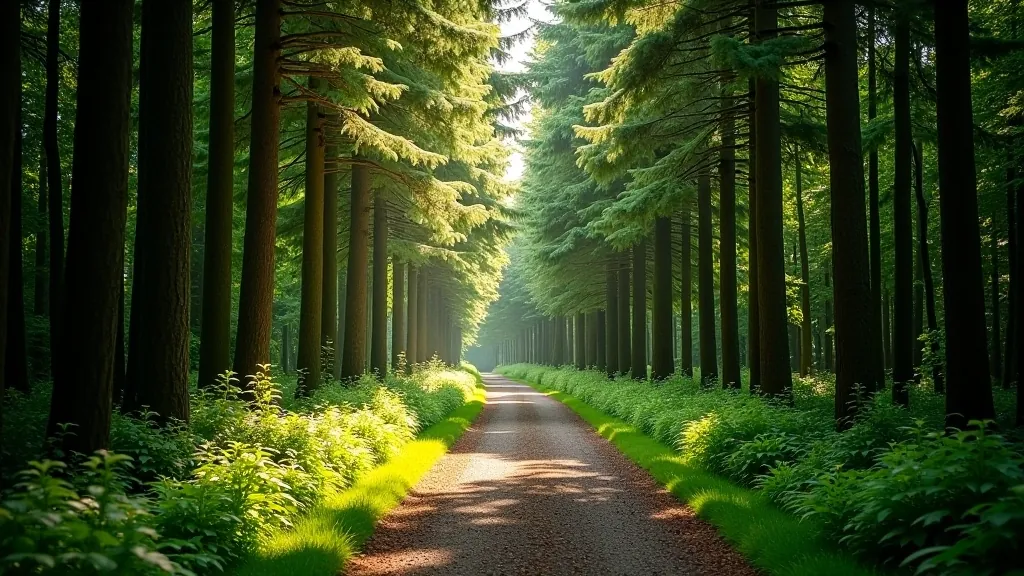
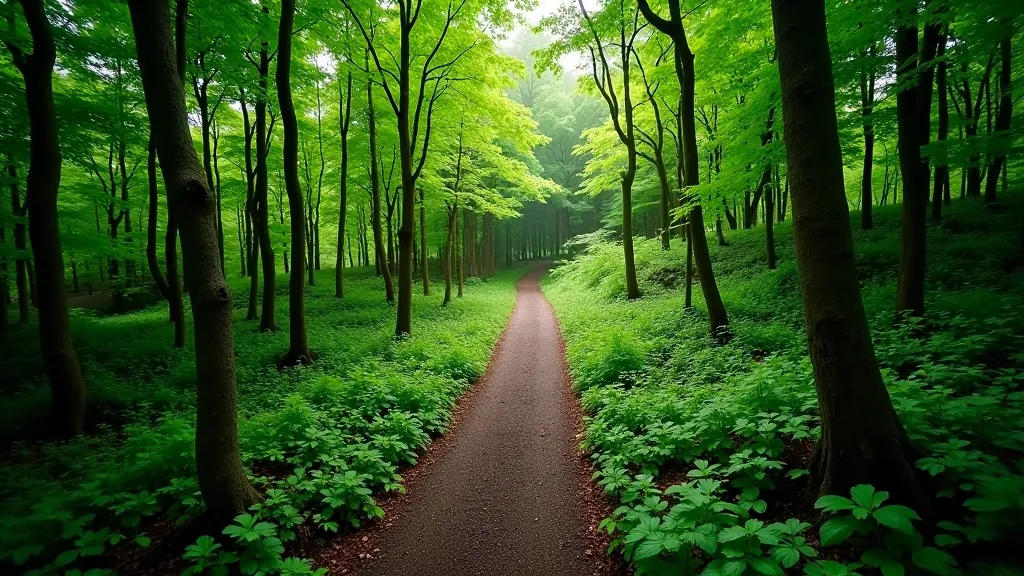
Coillte manages over 500,000 hectares of forest across Ireland. That's a lot of space to explore at your own pace. We're talking about forests where you'll actually encounter other walkers — it's not lonely — but you won't feel crowded either. The trails are well-maintained, marked clearly, and designed with accessibility in mind.
Most retirees we've spoken with appreciate three things: trails they can do without exhaustion, parking close to the entrance, and places to sit when they need a break. Coillte delivers on all three. You'll find benches throughout the forests, water fountains at major trailheads, and parking that doesn't require a steep walk before you even start.
Not all forest walks are created equal. We've picked three routes based on feedback from walkers over 60 who've done them repeatedly. These aren't the shortest — they're the ones people actually want to walk again.
Distance: 4.8km | Time: 90 minutes | Elevation: Minimal
This loop stays mostly flat with views of Muckross Lake. There's a working farm on the route and a café halfway through if you need refreshment. The surface is gravel and well-packed — no scrambling or tricky footing.
Distance: 3.5km | Time: 60 minutes | Elevation: Flat
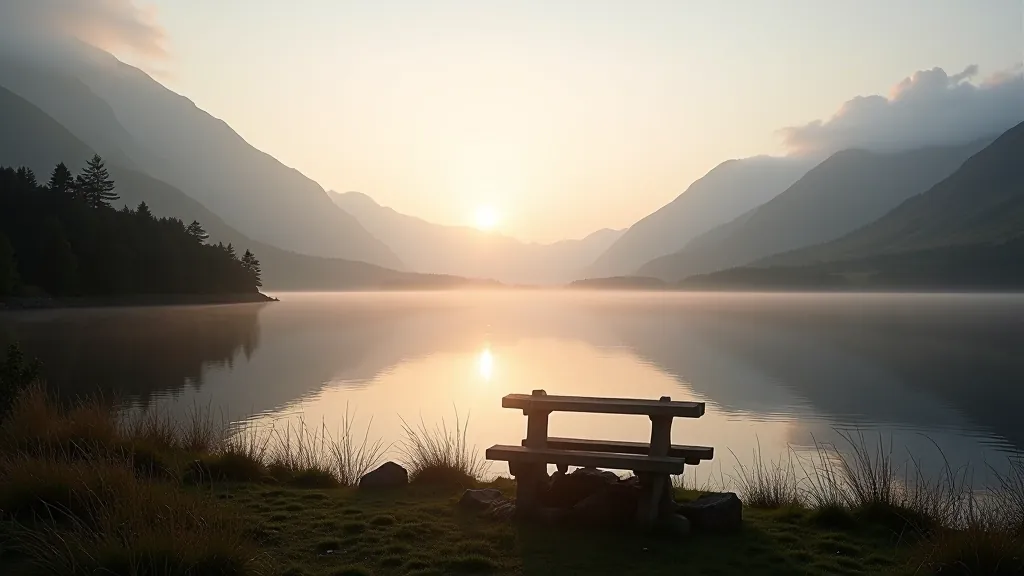
Shortest of the three but arguably the most beautiful. The trail follows Glenveagh Lake with the castle visible across the water. It's genuinely flat — we're talking zero elevation change — and there are benches positioned at scenic viewpoints.
Distance: 5.2km | Time: 110 minutes | Elevation: Slight incline
West Cork location with coastal views. The incline is gentle — more "noticeable" than "difficult" — and comes early in the walk so you'll have downhill on the return. Wildflowers in spring make this one special.
Walking a Coillte forest isn't complicated, but there's a difference between an okay experience and a great one. Here's what makes the difference.
You don't need hiking boots, but trainers won't cut it. Get shoes with good grip and ankle support. After rain, forest paths become muddy — not treacherous, but slippery. Waterproof boots from a decent outdoor shop will last you years and prevent slips.
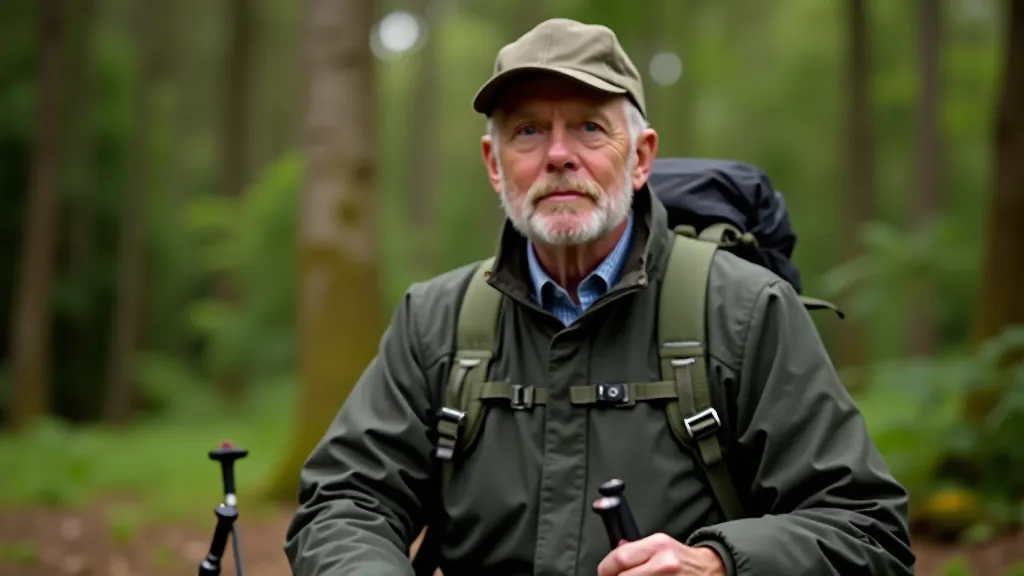
Even on flat sections, poles reduce strain on your knees on the descent. They're not a weakness thing — they're a smart thing. Most walkers over 60 we've talked to say poles changed how they feel after a walk. Less joint pain, more enjoyment.
Bring more water than you think you'll need. Irish forests aren't deserts, but you can't always find water. A light snack — nuts, a banana, a chocolate bar — keeps energy stable. Don't wait until you're hungry to eat something.
Irish weather changes fast. What's mild at the car park can feel cold under the forest canopy. Merino wool base layer, fleece mid-layer, waterproof jacket. You can peel off what you don't need as you warm up.
All Coillte sites have car parks. Most are free. The trailhead is always marked clearly from the parking area. If you're driving from Dublin, use Google Maps and search "Coillte [location name]" — the maps are accurate and up to date.
Spring (April-May) and autumn (September-October) are ideal. Summer can be humid and midges are present early morning and evening. Winter works too if you're confident with wet conditions. Avoid very early morning when trails are damp — mid-morning onwards dries things out.
Check Coillte's website before visiting — occasionally trails close for maintenance or weather damage. Mobile signal is spotty in forests, so download a map beforehand. Tell someone where you're going and when you expect to be back. It's not paranoid — it's sensible.
Walking alone is fine on busy routes during daylight. On quieter trails or early/late in the day, walking with a partner makes sense. Many Coillte sites host walking groups — check locally. Group walks are social and someone's usually got trail knowledge.
This isn't just about fresh air and nice scenery. Walking in forests does something different to your body and mind than walking on pavement.
The uneven ground — roots, gentle slopes, slight obstacles — engages your stabilizer muscles differently. Your balance improves. Your core gets stronger without feeling like you're "exercising." After six weeks of regular forest walks, most people notice they're steadier in everyday life. That matters. Falls are serious at any age, but they're more serious later. Better balance means independence longer.
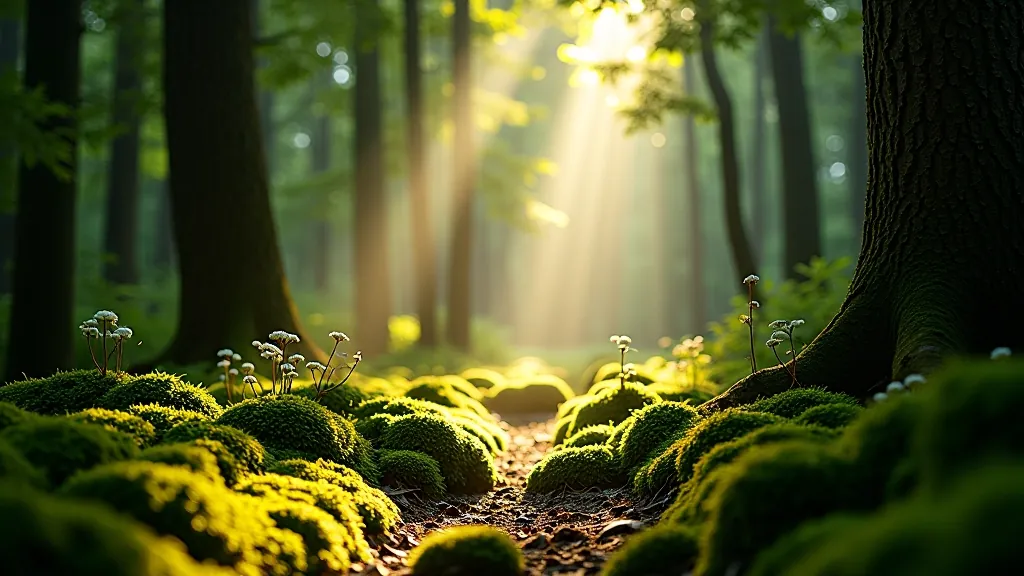
Mentally, forests are quieter than most places you'll spend time. Not silent — you'll hear birds, wind, water — but quiet enough that your nervous system relaxes. Regular forest walkers report better sleep, less anxiety, clearer thinking. It's not placebo. Studies show measurable differences in cortisol (stress hormone) after time in forests.
"I wasn't expecting much difference, honestly. I just wanted exercise. But after starting weekly walks at Glenveagh, I noticed I'm sleeping better and my knee doesn't bother me on non-walking days. That surprised me."
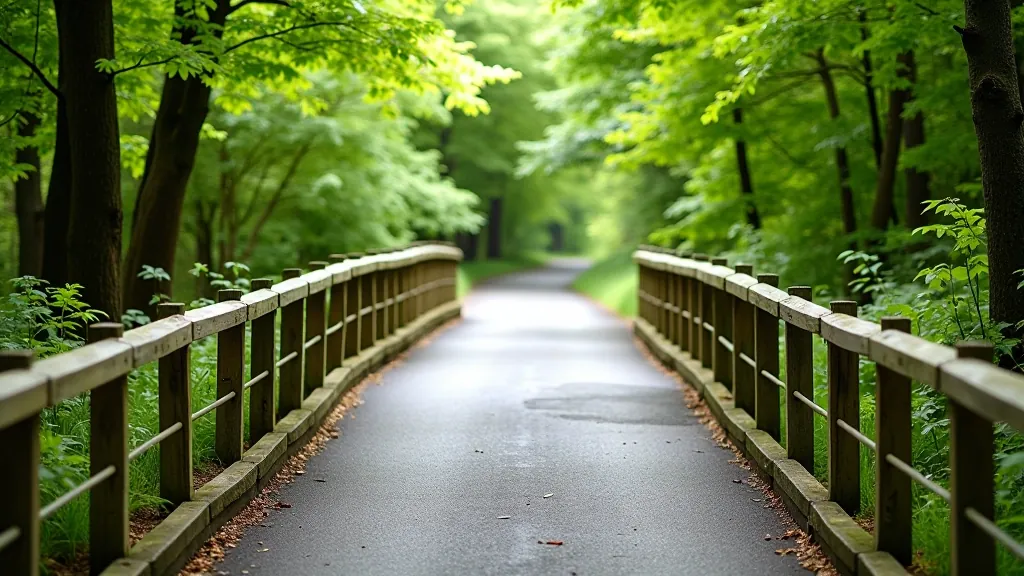
We should be clear: Coillte routes aren't wheelchair-accessible across the board. But they're not all the same difficulty either. Routes like Glenveagh's lakeside trail are genuinely flat with a packed surface. Others have gentle grades that feel manageable if you're used to walking.
Coillte publishes trail difficulty ratings. Use them. A "moderate" trail might have sections that feel steep to you — that's fine information to have before you start. No shame in choosing the easier option. You're there to enjoy yourself, not prove anything.
Facilities vary. Some car parks have toilet facilities, some don't. Some have benches every 500 metres, others have them spaced further apart. Check the specific site details before you go. Coillte's website lists what each location offers. If you need facilities close together, pick sites that have them.
If you're managing an injury or condition that affects walking, start with the flattest, shortest route available. Build from there. Your body will adapt faster than you'd expect — and if it doesn't, that's information too.
This article provides informational guidance about forest walking routes and general outdoor recreation practices. It's not medical advice. If you have health conditions, mobility concerns, or haven't exercised regularly, check with your doctor before starting a new walking programme. Conditions change — trails close, weather shifts, circumstances vary. Always check current conditions with Coillte before visiting, wear appropriate gear, and let someone know where you're going. Forest walking is accessible and enjoyable for many people over 60, but individual circumstances differ. Use your judgment.
You don't need special permission to walk Coillte forests. You don't need to be "fit enough" or have "proper gear" to start. You need shoes that grip, a jacket in case it rains, water, and an hour. That's it.
Pick one of the three routes we mentioned. Look it up on the Coillte website. Check the current conditions. Plan to go on a weekday morning if you prefer quieter trails, or weekend if you like seeing other people. Go. Notice how you feel during and after. Then decide if you'll go back.
Most people do go back. They don't become "serious hikers" or anything dramatic. They just start looking forward to their forest walk. That's the whole point.